Digital Overload: Protecting Your Mental Health in a Hyperconnected World
Digital Overload: Protecting Your Mental Health in a Hyperconnected World
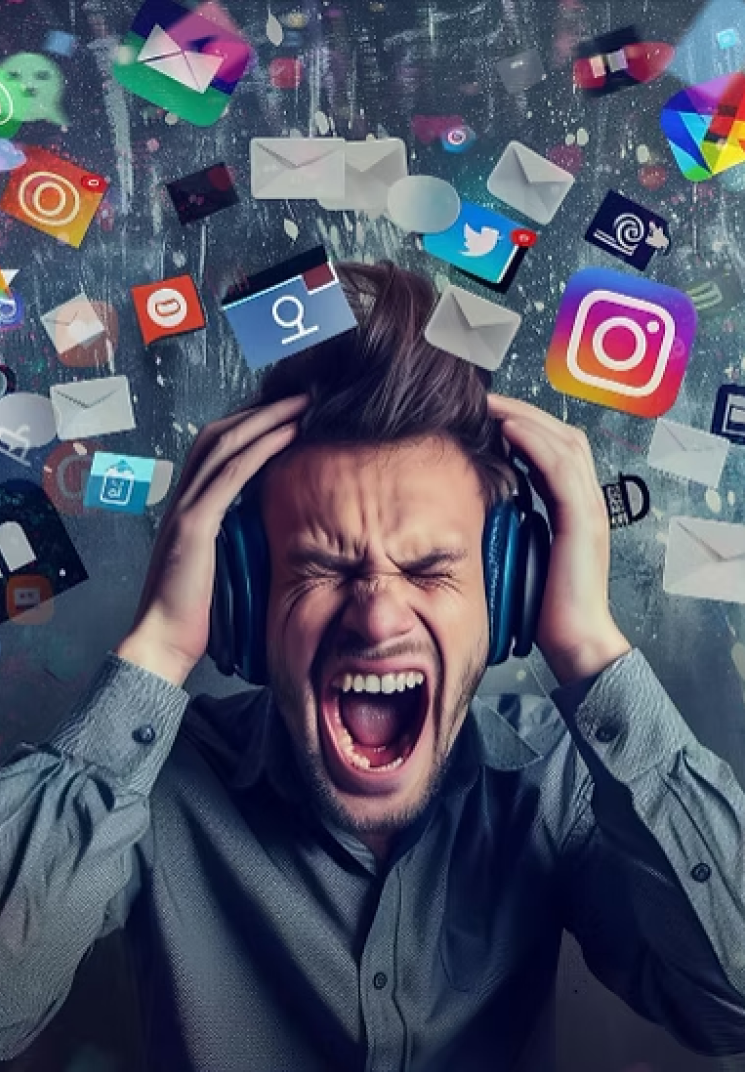
We live in a time where being constantly connected is the norm. From social media notifications to endless emails and news updates, our minds rarely get a moment to rest. While technology has made life more convenient, it has also introduced a new challenge—digital overload.
Today, more people are experiencing stress, burnout, and symptoms linked to Anxiety Disorder and Depression due to excessive screen time and constant online engagement. Understanding how digital life affects mental health is the first step toward regaining balance.
The Hidden Cost of
Constant Connectivity
Being online all the time can create a sense of urgency and pressure. Notifications demand immediate attention, social media encourages comparison, and the fear of missing out (FOMO) keeps us scrolling longer than we intend.
Over time, this can lead to:
Mental fatigue and reduced focus
Increased stress and irritability
Sleep disturbances
Lower self-esteem from constant comparison
What seems like harmless scrolling can quietly impact how we feel and think.
Why Social Media Can
Be Overwhelming
Social media platforms are designed to keep us engaged. While they help us stay connected, they often present unrealistic versions of people’s lives. This can create a distorted sense of reality, making individuals feel inadequate or left behind.
It’s important to remember that most online content is curated—not a full reflection of real life.
Signs You Might Be
Experiencing Digital
Overload
I won’t say the journey is over—because mental health isn’t a destination. It’s an ongoing process. But I’ve come a long way from where I started. I understand myself better. I’m kinder to myself. And most importantly, I know that it’s okay to not have everything figured out.
You might not notice it immediately, but
some common signs include:
Feeling anxious when you’re not checking your phone
Difficulty concentrating on tasks
Constantly comparing yourself to others online
Trouble sleeping due to screen use before bed
Recognizing these signs early can help you take control before it escalates.
Signs You Might Be Experiencing Digital Overload
1
Set Screen Time Boundaries
Limit the amount of time you spend on apps that drain your energy. Even small reductions can make a difference.
2
Take Regular Digital Breaks
Step away from screens throughout the day. Go for a walk, read a book, or simply sit in silence.
Understanding Its Role in Our Lives
3
Curate Your Online Environment
Follow accounts that inspire and uplift you. Unfollow content that causes stress or negativity.
4
Prioritize Real-Life Connections
Spending time with family and friends in person can improve your mood and reduce feelings of isolation.
5
Create a Tech-Free Routine Before Bed
Avoid screens at least 30–60 minutes before sleeping to improve sleep quality and mental clarity.
The Role of Awareness
Organizations like the World Health Organization continue to highlight the growing impact of digital habits on mental wellbeing. As awareness increases, more people are learning to use technology mindfully rather than letting it control their lives.
Final Thoughts
Technology is a powerful tool—but like anything, balance is key. You don’t need to disconnect completely; you just need to reconnect with what truly matters.
Taking control of your digital habits can help you feel calmer, more focused, and more present in your daily life. Your mental health deserves that space.