This presentation delves into the significance of crisis management and its multifaceted approach, encompassing medication management, counseling for adolescents and college students, and family therapy. We will illustrate how these forms of support can significantly change the lives of young individuals and adults in everyday circumstances, providing real-life examples of transformation and resilience.
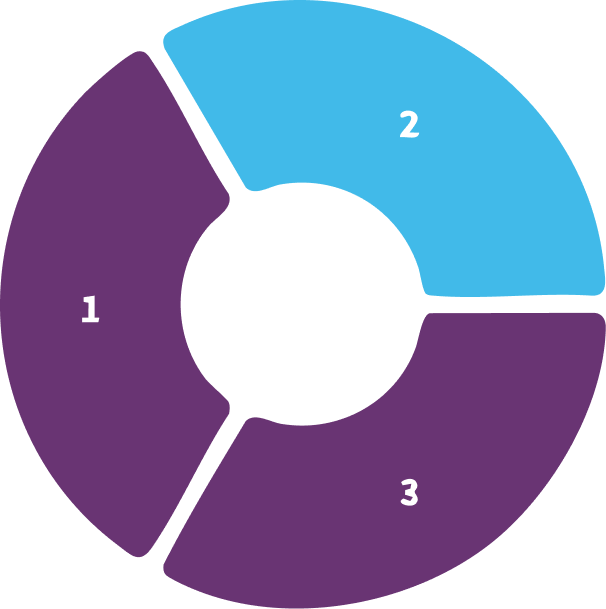
Crisis Management
1
Immediate Response
Effective crisis management provides immediate assistance during emergencies, helping individuals to stabilize emotionally and regain control of their circumstances.
2
Skill Development
Learning crisis management skills prepares youth to handle future stressful situations effectively, fostering resilience and adaptability.
3
Community Support
Crisis management often involves community resources that create a supportive environment, reducing feelings of isolation among affected individuals.
Medication Management
Proper Usage
Medication management ensures that individuals understand their treatment plans and adhere to medication schedules, preventing misuse and promoting recovery.
Symptom Tracking
Regular review of medication helps in tracking symptoms and adjusting treatments based on individual needs, improving overall health and well-being.
Side Effect Education
Educating youth and adults about potential side effects empowers them to communicate better with healthcare providers, ensuring timely interventions.
Crisis Management
1
Emotional Expression
Counseling provides a safe space for adolescents to express their thoughts and feelings, helping them navigate complex emotional landscapes.
2
Peer Relationships
Counselors assist teens in improving their interpersonal skills, aiding them in forming healthy and supportive relationships with peers.
3
Coping Strategies
Through therapy, adolescents learn effective coping mechanisms for stress and anxiety, which can have long-lasting benefits into adulthood.
4
Academic Performance
Counseling support can lead to improved focus and motivation in academics, fostering a more positive outlook on education.
College Student Support
Mental Health Services
Colleges offering mental health resources create a supportive atmosphere, helping students manage stress, anxiety, and depression more effectively.
Peer Support Programs
Programs that connect students with peers facing similar challenges enhance emotional well-being and provide a valuable support network.
Academic Advising
Structured academic support helps students to better navigate their coursework and career options, reducing stress and improving overall satisfaction with college life.
Medication Management
Family Communication
Family therapy helps improve communication within the family unit, allowing members to express thoughts and feelings openly without judgment.
Conflict Resolution
Techniques taught in family therapy can help resolve conflicts, leading to healthier dynamics and stronger familial bonds among individuals.
Shared Understanding
Families learn to better understand one another’s perspectives, fostering empathy and strengthening relationships during times of stress and change.
Transformative Examples
Crisis Management Case
A young individual experiencing a panic attack learns coping mechanisms through crisis management, significantly reducing future incidents.
Medication Management Success
An adult managing chronic health issues effectively adheres to medication routines after receiving proper education, leading to improved life quality.
Counseling Impact
A teenager struggling with depression finds solace in counseling, which helps them regain a sense of identity and purpose in life.
Robust Support System for Mental Health
Crisis Management
Providing immediate support duringemotional crises.
Medication Management
Ensuring proper medication use for mental health stability.
Counseling
Offering guidance and tools for emotional well-being.
Family Therapy
Involving family in the healing process to strengthen relationships.