How to Calm a Panic Attack: Effective Strategies to Regain Control
How to Calm a Panic Attack: Effective Strategies to Regain Control
Experiencing a panic attack can be overwhelming and frightening. The sudden rush of intense fear, rapid heartbeat, shortness of breath, and feelings of losing control can make it feel as though something serious is happening. While panic attacks are distressing, they are treatable, and there are practical techniques that can help you manage symptoms and regain a sense of calm.
Understanding how to calm a panic attack can empower you to respond more effectively and reduce the impact these episodes have on your daily life.
What Is a Panic
Attack?
A panic attack is a sudden episode of intense fear or discomfort that triggers severe physical and emotional reactions. Panic attacks can occur unexpectedly or in response to certain situations and are often associated with anxiety disorders.
Common symptoms of a panic attack include:
Rapid or pounding heartbeat
Shortness of breath
Chest pain or tightness
Sweating
Trembling or shaking
Dizziness or lightheadedness
Nausea
Tingling sensations
Feeling detached from reality
Fear of losing control or dying
Although panic attacks can feel terrifying, they are not life-threatening.
Focus on Your Breathing
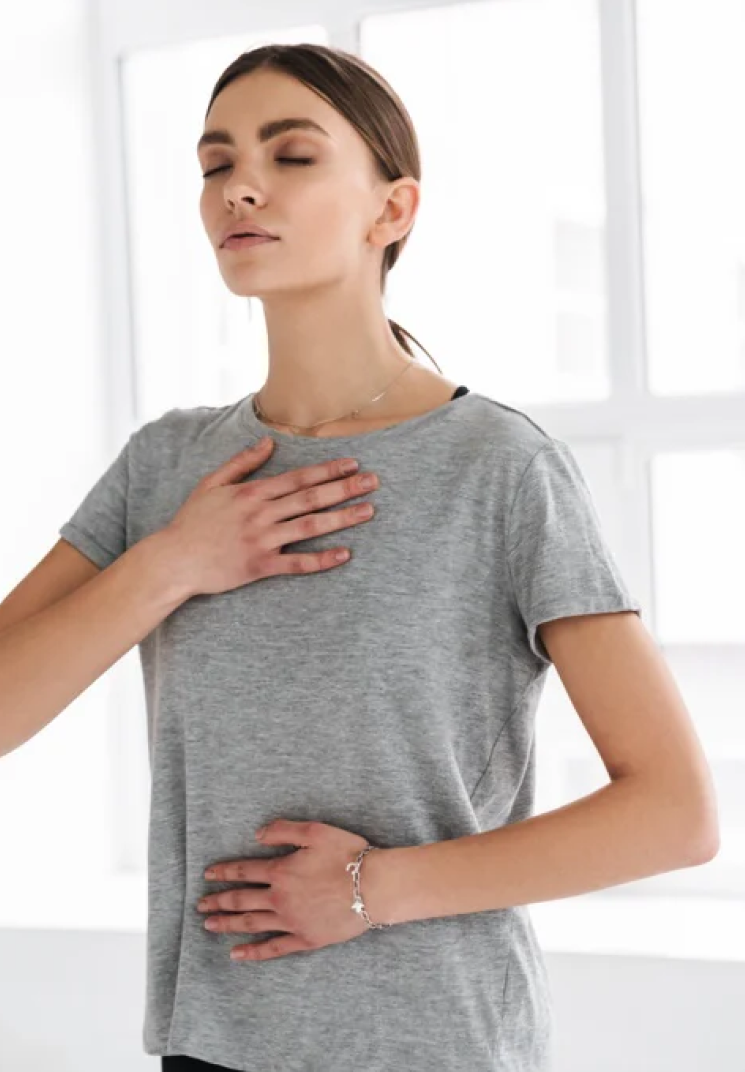
One of the most effective ways to calm a panic attack is to slow your breathing. Panic attacks often cause rapid, shallow breathing, which can worsen feelings of anxiety.
Try this simple breathing exercise:
Inhale slowly through your nose for four seconds.
Hold your breath for four seconds.
Exhale gently through your mouth for six seconds.
Repeat until your breathing becomes more steady.
Deep breathing helps regulate your nervous system and reduces the intensity of panic symptoms.
Remind Yourself That
the Panic Will Pass
Panic attacks are temporary. Although they may feel unbearable in the moment, symptoms usually peak within a few minutes and gradually subside.
Try telling yourself:
“This is a panic attack, and it will pass.”
“I am safe.”
“These feelings are uncomfortable, but they are temporary.”
Replacing fearful thoughts with reassuring statements can help reduce the intensity of the experience.
Use Grounding
Techniques
Grounding exercises help bring your attention back to the present moment instead of focusing on fear or catastrophic thoughts.
Identify:
Five things you can see.
Four things you can touch.
Three things you can hear.
Two things you can smell.
One thing you can taste.
This exercise can help interrupt anxious thoughts and create a sense of stability.
Relax Your Muscles
Panic attacks often cause muscle tension throughout the body. Progressive muscle relaxation can help release that tension.
Start by:
Tightening the muscles in your feet for five seconds.
Slowly releasing them.
Moving upward through your legs, abdomen, shoulders, and arms.
Relaxing your muscles sends calming signals to your brain and helps ease physical symptoms.
Avoid Fighting
the Panic
Trying to suppress or fight a panic attack can sometimes make symptoms worse. Instead, acknowledge what you are experiencing without judgment.
Accept that:
Panic attacks are uncomfortable but temporary.
Your body is responding to stress.
You do not need to eliminate the feelings immediately.
Acceptance can help reduce fear and shorten the duration of the attack.
Find a Quiet and
Comfortable Space
If possible, move to a calm environment where you feel safe. Reduce external stimulation and focus on slowing your breathing.
You may find comfort in:
Sitting down and resting.
Listening to calming music.
Closing your eyes for a few moments.
Practicing mindfulness techniques.
Creating a peaceful environment can help your body return to a relaxed state.
Practice Mindfulness
Mindfulness encourages you to observe your thoughts and feelings without becoming overwhelmed by them.
Simple mindfulness practices include:
Paying attention to your breath.
Observing sensations in your body.
Focusing on sounds around you.
Practicing meditation regularly.
Mindfulness can improve emotional regulation and reduce anxiety over time.
Limit Caffeine and
Other Triggers
Certain substances and lifestyle factors can contribute to panic attacks, including:
Excess caffeine
Lack of sleep
Alcohol use
Chronic stress
Nicotine
Recreational drugs
Maintaining healthy habits and identifying your personal triggers can help reduce the frequency of panic attacks.
When Should You
Seek Professional
Help?
Occasional panic attacks are common, but if they become frequent or interfere with your daily life, professional support may be beneficial.
Consider seeking help if:
You avoid places or situations due to fear of panic attacks.
Symptoms are affecting work, school, or relationships.
You experience ongoing anxiety between attacks.
You are struggling to manage symptoms on your own.
Mental health professionals can provide effective treatments such as Cognitive Behavioral Therapy (CBT), stress management techniques, and other evidence-based approaches to help you regain control and improve your quality of life.
Final Thoughts
Panic attacks can feel overwhelming, but they do not define you, and you are not alone. Learning healthy coping strategies such as deep breathing, grounding exercises, mindfulness, and seeking professional support can make a significant difference.
Recovery is possible, and with the right tools and guidance, you can learn to manage panic attacks and live a healthier, more balanced life.